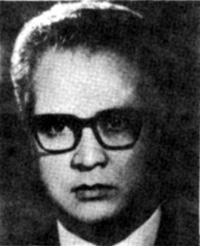
Stan Freberg Part 2
- Life
- August 7, 1926
- Birthday
- August 7
- Field
- Art, Literature
- Length
- 7 parts
Today, these advertisements are considered classics by many critics. Though Bob & Ray had pioneered intentionally comic advertisements (stemming from a hugely successful campaign for Piels beer), Stan Freberg is usually credited as being the first person to introduce humor into television advertising with memorable campaigns. Freberg felt a truly funny commercial would cause consumers to request a product, as was the case with his elaborate ad campaign that prompted stores to stock Salada tea. The owner of Jeno’s Pizza Rolls had to pay off a bet over the success of a Freberg ad campaign by pulling Freberg in a rickshaw on Hollywood’s La Cienega Boulevard. Freberg won 21 Clio awards for his commercials. Many of those spots were included in the Freberg four-CD box set Tip of the Freberg.
Radio
The popularity of Freberg’s recordings landed him his own program, the situation comedy That’s Rich. Freberg portrayed bumbling but cynical Richard E. Wilk, a resident of Hope Springs, where he worked for B.B. Hackett’s Consolidated Paper Products Company. Freberg suggested the addition of dream sequences, which made it possible for him to perform his more popular Capitol Records satires before a live studio audience. The CBS series aired from January 8 to September 23, 1954.
The Stan Freberg Show was a 1957 replacement for Jack Benny on CBS radio. The satirical show, which featured elaborate production, included most of the team he used on his Capitol recordings, including June Foray, Peter Leeds, and Daws Butler. Billy May arranged and conducted the music. The Jud Conlon Singers, who had also appeared on Freberg recordings, were regulars, as was singer Peggy Taylor, who had participated in his "Wun’erful, Wun’erful!" record. The show was produced by Pete Barnum.
The show failed to attract a sponsor after Freberg decided he did not want to be associated with the tobacco companies that had sponsored Benny. In lieu of actual commercials, Freberg mocked advertising by touting such products as "Puffed Grass" ("It’s good for Bossie, it’s good for me and you!"), "Food" ("Put some food in your tummy-tum-tum!"), and himself ("Stan Freberg—the foaming comedian! Bobba-bobba-bom-bom-bom"), a parody of the well-known Ajax cleanser commercial.
The lack of sponsorship was not the only issue. Freberg frequently complained of radio network interference. Another sketch from the CBS show, "Elderly Man River," anticipated the political correctness movement by decades. Daws Butler plays "Mr. Tweedly," a representative of a fictional citizens’ radio review board, who constantly interrupts Freberg with a loud buzzer as Freberg attempts to sing "Old Man River." Tweedly objects first to the word "old," "which some of our more elderly citizens find distasteful." As a result, the song’s lyrics are progressively and painfully distorted as Freberg struggles to turn the classic song into a form that Tweedly will find acceptable "to the tiny tots" listening at home: "He don’t, er, doesn’t plant ‘taters, er, potatoes… he doesn’t plant cotton, er, cotting… and them-these-those that plants them are soon forgotting," a lyric of which Freberg is particularly proud. Even when the censor finds Freberg’s machinations acceptable, the constant interruption ultimately brings the song to a grinding halt (just before Freberg would have had to edit the line "You gets a little drunk and you lands in jail"), saying, "Take your finger off the button, Mr. Tweedly—we know when we’re licked," furnishing the moral and the punch line of the sketch at once. But all of these factors forced the cancellation of the show after a run of only 15 episodes.
In 1966, he recorded an album, Freberg Underground, in a format similar to his radio show, using the same cast and orchestra. He called it "pay radio," in a parallel to the phrase pay TV (the nickname at the time for subscription-based cable and broadcast television) "…because you have to go into the record store and buy it." This album is notable for giving Dr. Edward Teller the Father of the Year award for being "father of the hydrogen bomb" ("Use it in good health!"); for a combined satire of the Batman television series and the 1966 California Governor’s race between Edmund G. "Pat" Brown and Ronald Reagan; and probably most famous for a bit in which, through the magic of sound effects, Freberg drained Lake Michigan and refilled it with hot chocolate and a mountain of whipped cream while a giant maraschino cherry was dropped like a bomb by the Royal Canadian Air Force to the cheers of 25,000 extras viewing from the shoreline. Freberg concluded with, "Let’s see them do that on television!" That bit became a commercial for advertising on radio.
Continue reading: part 3 of 7 →